A perfect combination of World Class Engineering, Freemasonry and Fraternity
For the past 5 years W Bro. Rob Phillips has planned what has quickly become the Lodge of Dawn 6511 Annual Lodge ‘Excursion’, recently taking us to Dublin, Edinburgh, Belfast and Jersey.
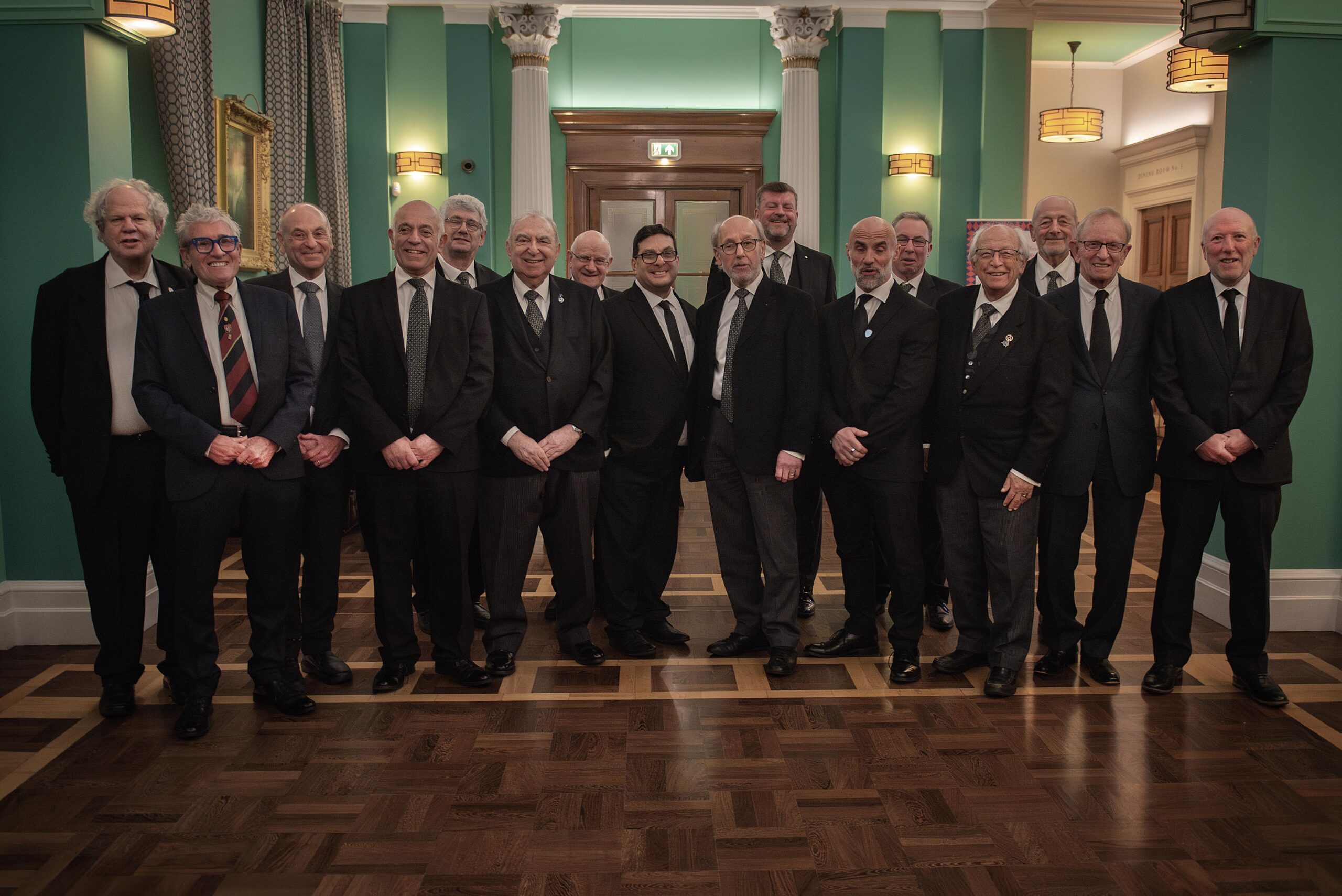
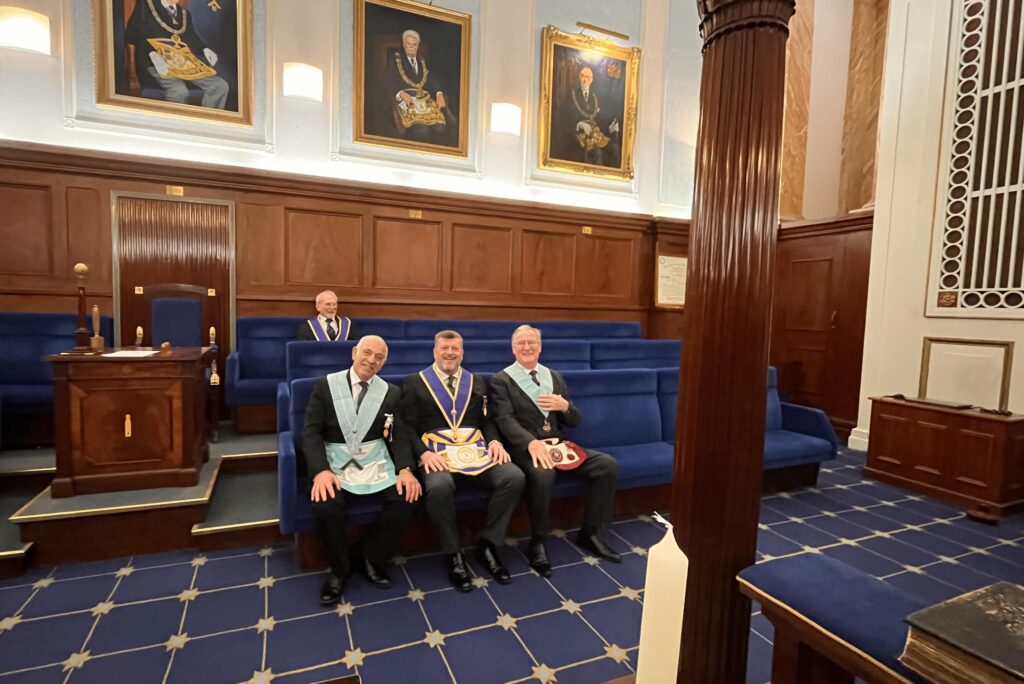
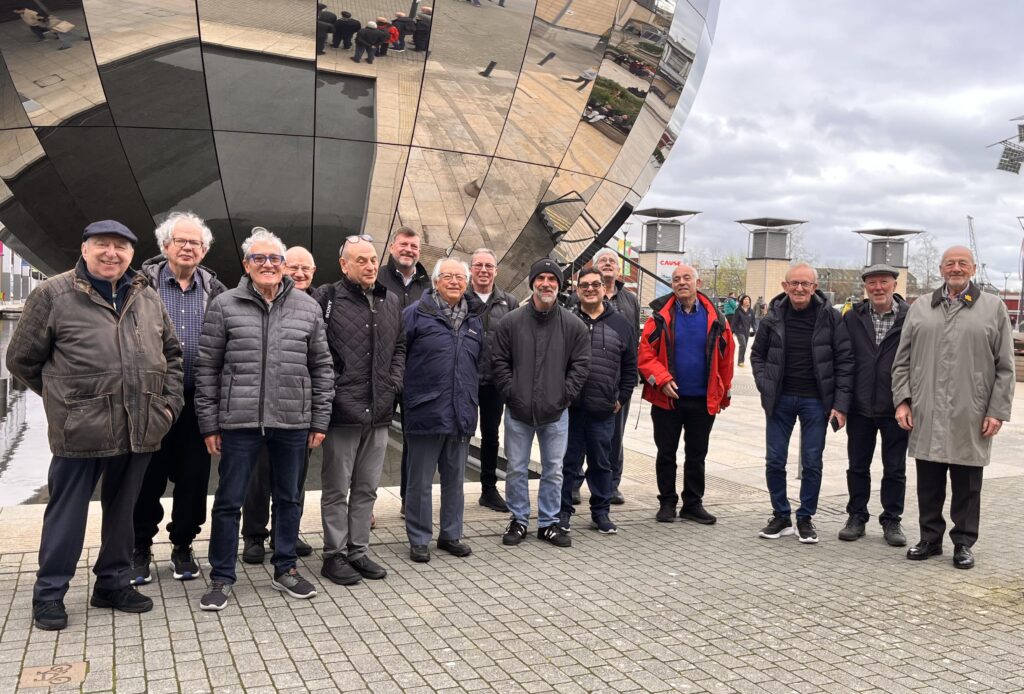
On March 10th and 11th this year, a group of seventeen brethren fromThe Lodge of Dawn 6511experienced a wonderful combination of World Class Engineering, Freemasonry and Fraternity. In many ways it was the perfect Lodge visit. First stop was the Jerusalem Lodge 686.
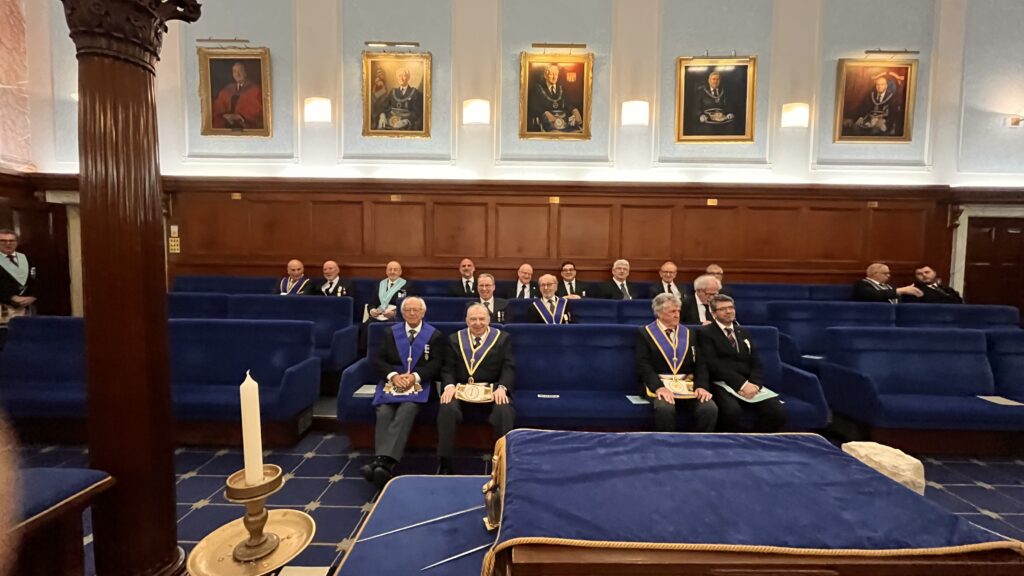
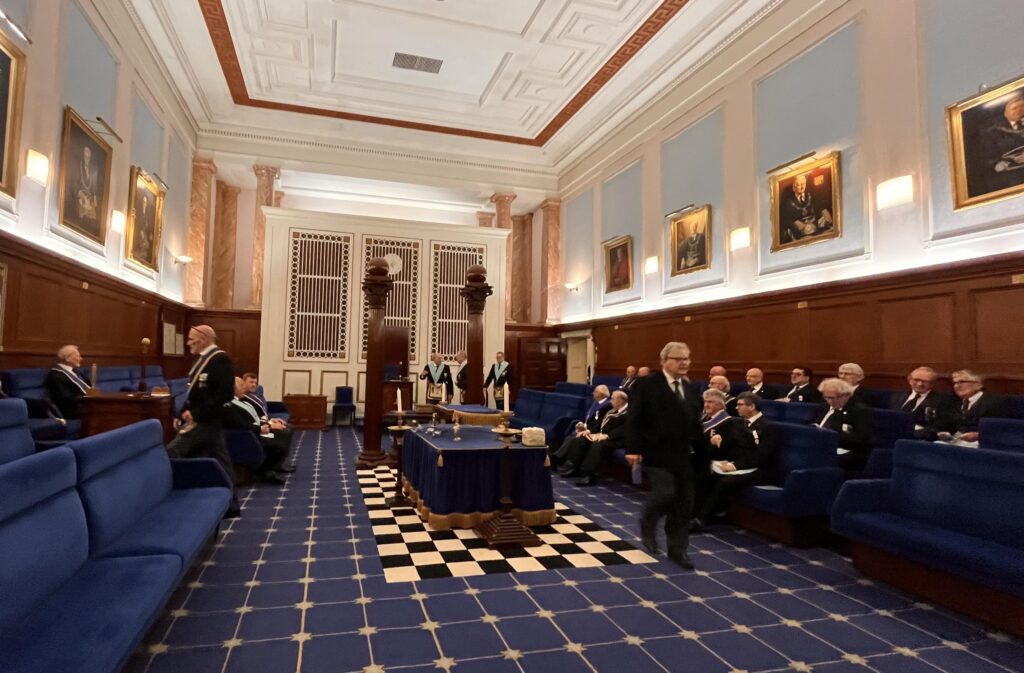
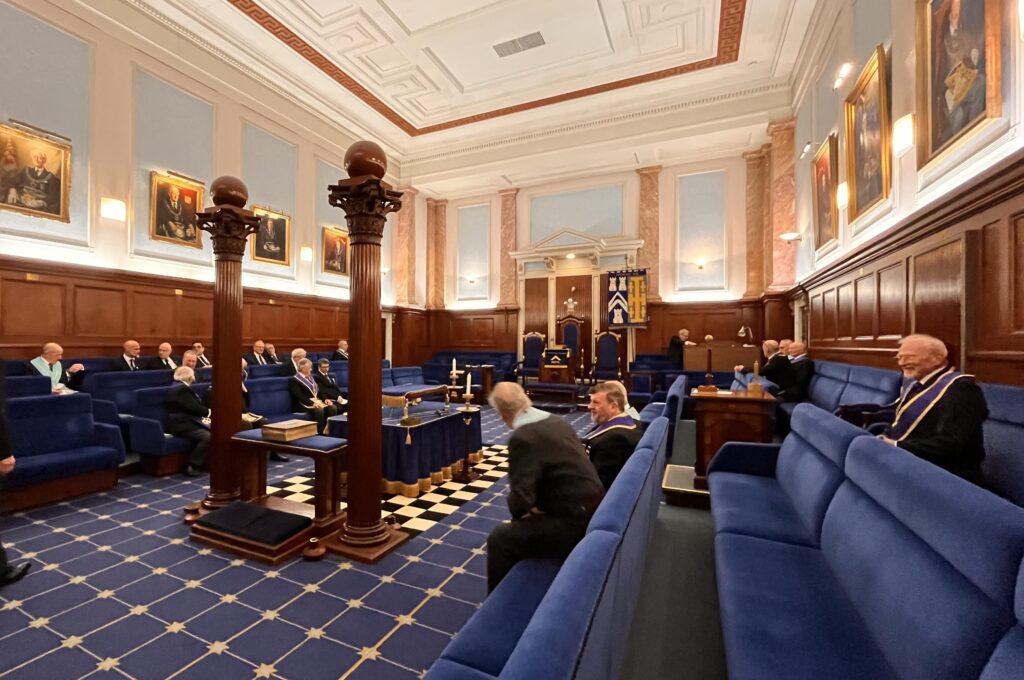
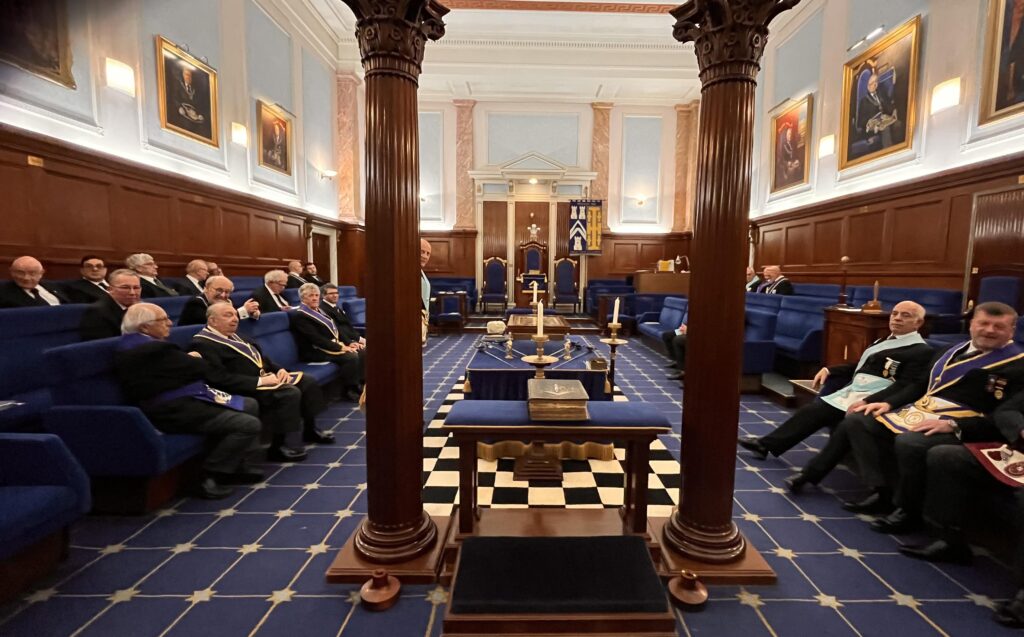
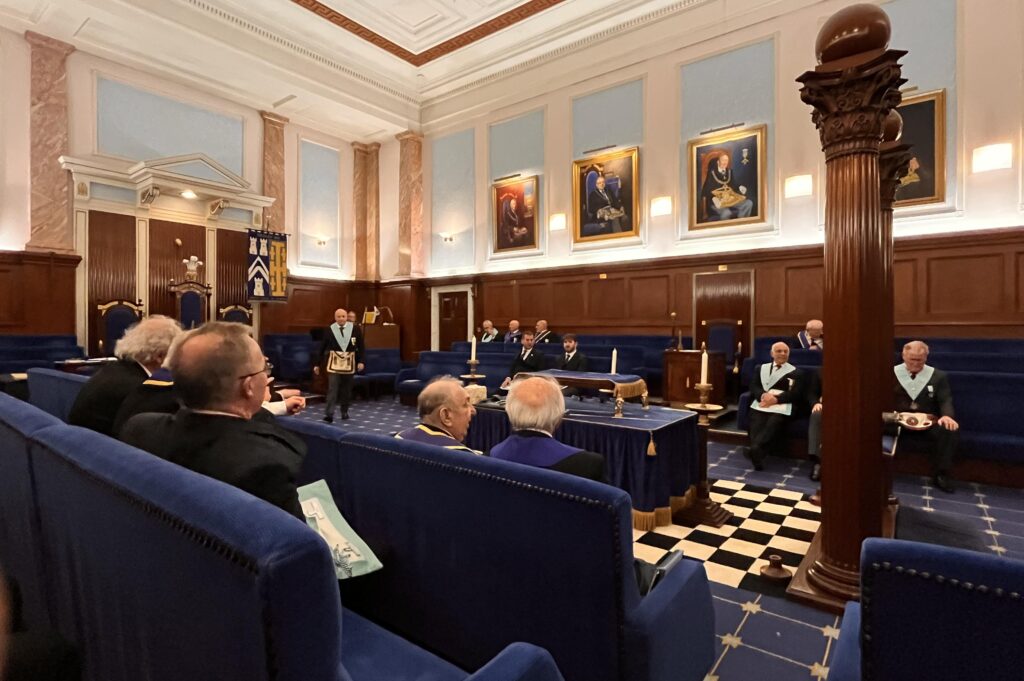
The Jerusalem Lodge 686, is located in Freemasons’ Hall, Bristol. Their ritual is specific to “Bristol.” Upon arrival we were greeted by W Bro. Allan Badman and VW Bro. Tim Brunton PGSwdB, Deputy Provincial Grand Master. We proceeded to embark upon a very informative guided tour of this magnificent building with beautiful interiors. Please refer to Freemasons’ Hall in Bristol for some wonderful pictures.
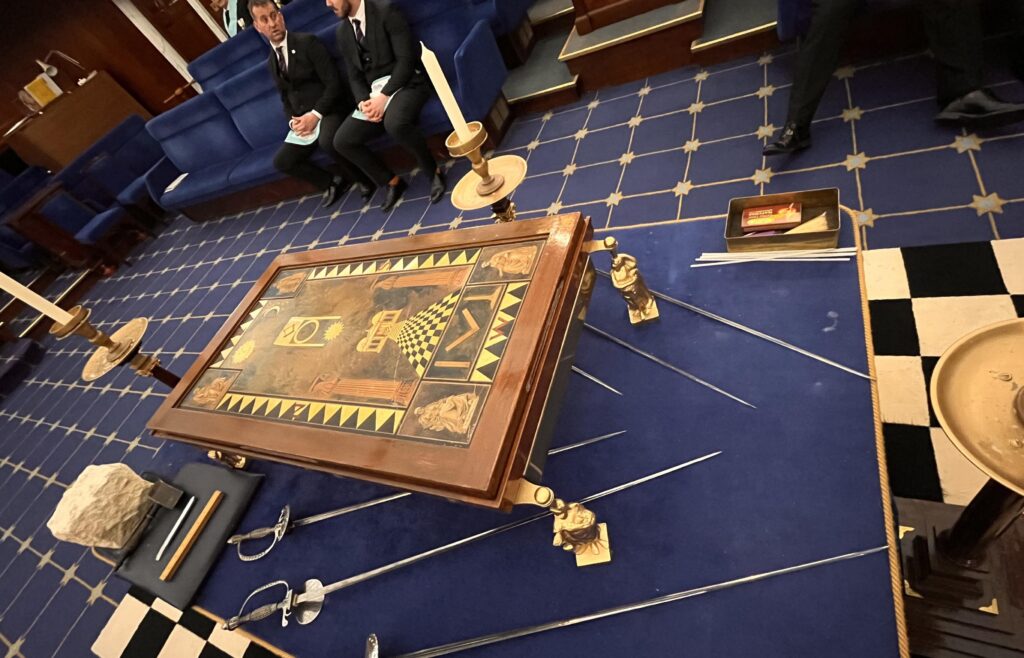
Ritual began at the usual time and the ceremony of Initiation conducted. Jerusalem Lodge 686 is distinctive because it works the historic Bristol ritual, which preserves older, more elaborate ceremonial elements and practices that differ from the standard ritual used in most English lodges. As a result, while the essential structure and meaning of the initiation remained the same, the wording, ceremonial style, floor movements, and some traditional customs were different.
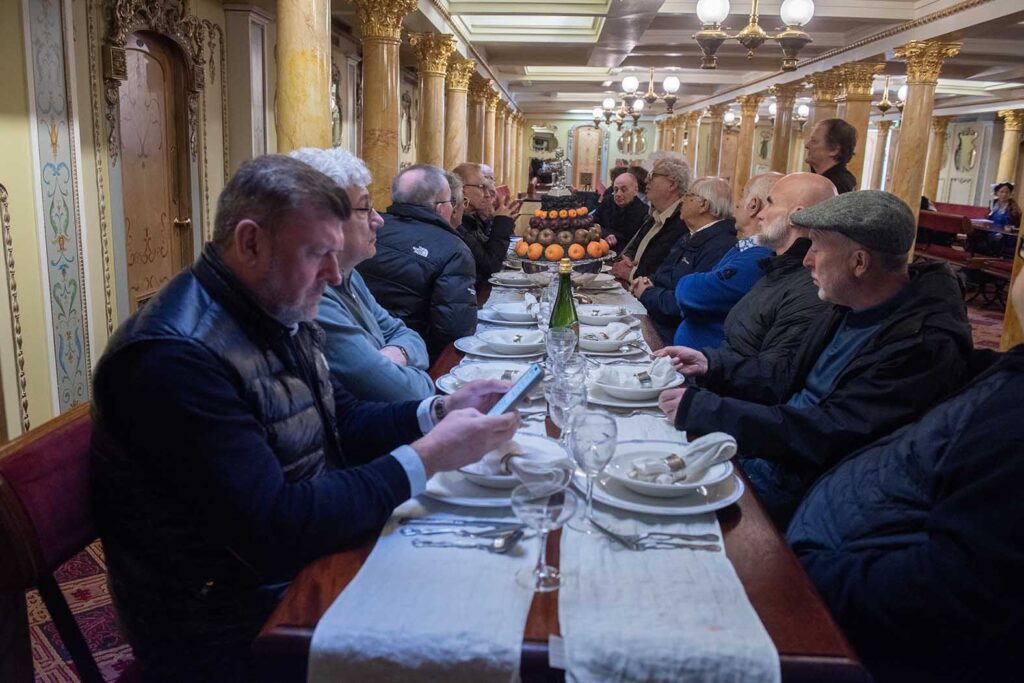
As a visiting group of 17, we significantly swelled regular numbers to make the Festive Board a particularly lively occasion. A warm and friendly atmosphere ensued. Great food, excellent company, and a couple of raffle wins meant that we left the evening both rewarded and full of Masonic hospitality.
The Freemasons’ Hall, Bristol
There are 4 Masonic temples, 3 dining rooms used for festive boards and events, and a good sized library. Naturally there is a bar and lounge that is capable of hosting 38 Craft Lodges, 14 Royal Arch Chapters, 7 Mark Lodges and several other orders. Because so many units meet in the same building, the multiple Temples and dining rooms allow several meetings and festive boards to happen on the same evening.
The Freemasons’ Hall in Bristol is located at 31 Park Street, serving as the central hub for the Provincial Grand Lodge of Bristol. Originally built in 1821 as The Philosophical Institution, it was purchased by Freemasons in 1871. After being destroyed in a 1940 bombing, it was rebuilt and reopened in 1957, featuring 38 Craft Lodges and various other Masonic Orders.
What makes the Bristol ritual unique?
Very old ritual tradition – The Bristol working is believed to preserve elements from rituals used before the 1813 union of the two English Grand Lodges. Some authorities date parts of it back to around 1724, making it one of the oldest surviving ritual styles in England.
Different from the standard “Emulation” ritual – Most lodges under the United Grand Lodge of England use the Emulation ritual. Bristol lodges retained their own version, which is considerably different and often more elaborate and dramatic.
Distinct ceremonial customs – Certain visual and ceremonial elements survive in Bristol that are not common elsewhere—for example, the Master entering wearing a cocked hat, a tradition linked to 18th-century sea captains who were lodge masters in the port city.
Unique Royal Arch practices – Bristol Royal Arch ceremonies include “Passing the Veils” in every exaltation, a ceremony rarely used in England but preserved in Bristol as part of its older tradition.
In short, Jerusalem Lodge No. 686 is distinctive because it works the historic Bristol ritual, which preserves older, more elaborate ceremonial elements and practices that differ from the standard ritual used in most English lodges.
Wednesday…
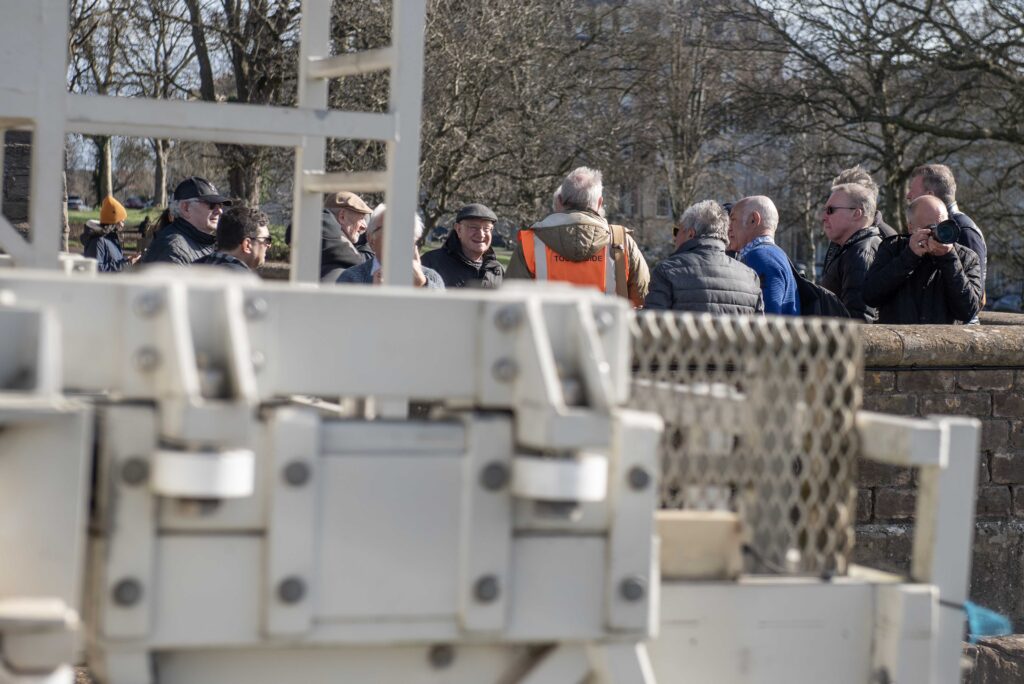
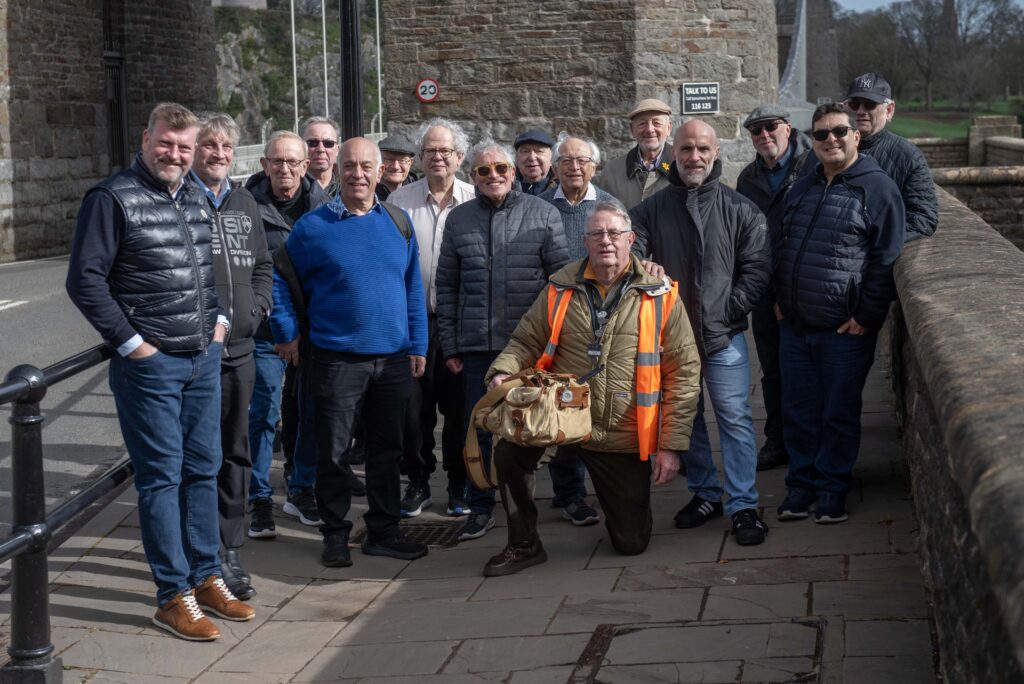
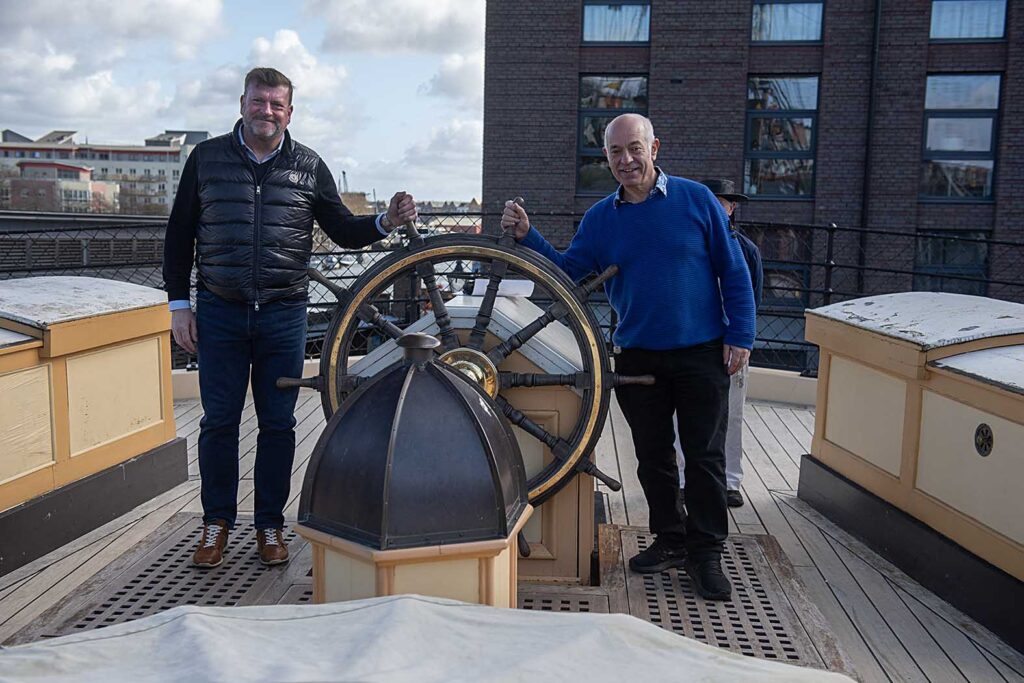
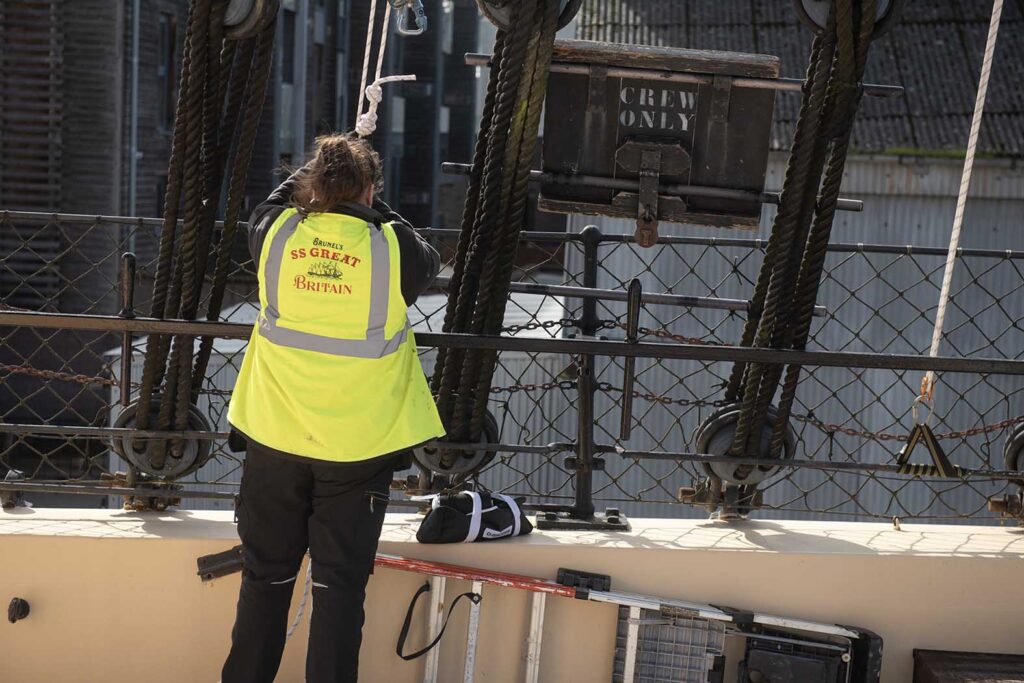
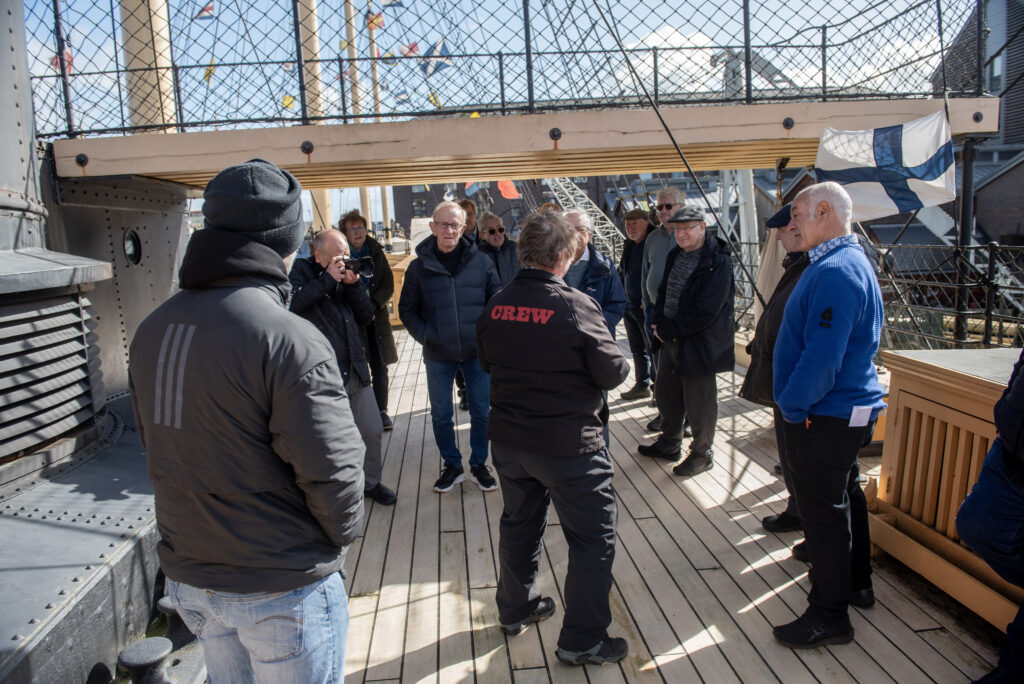
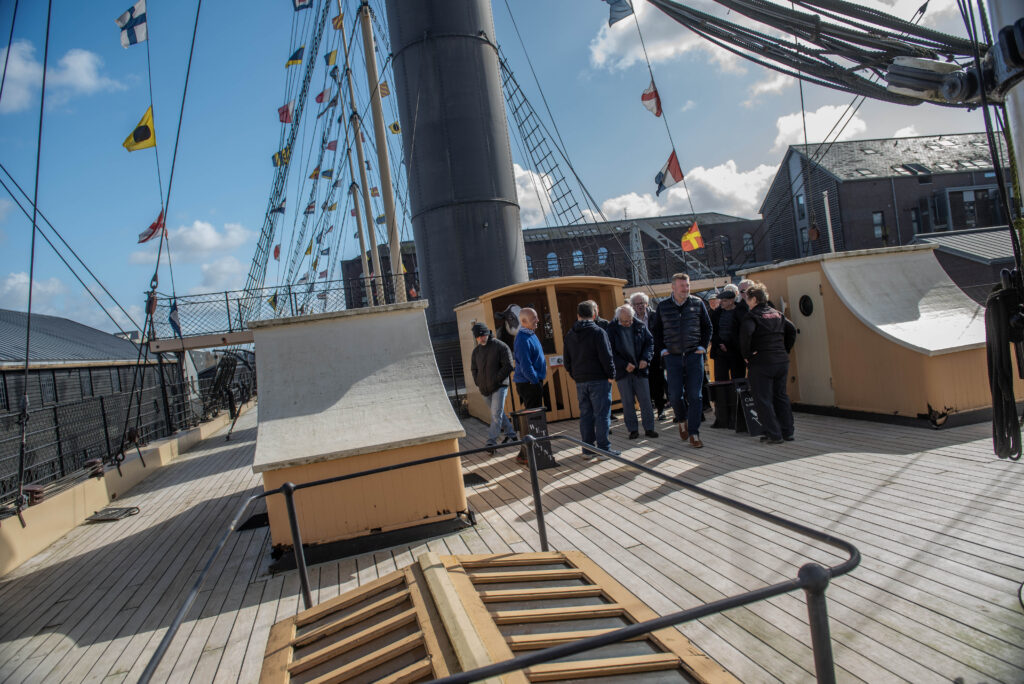
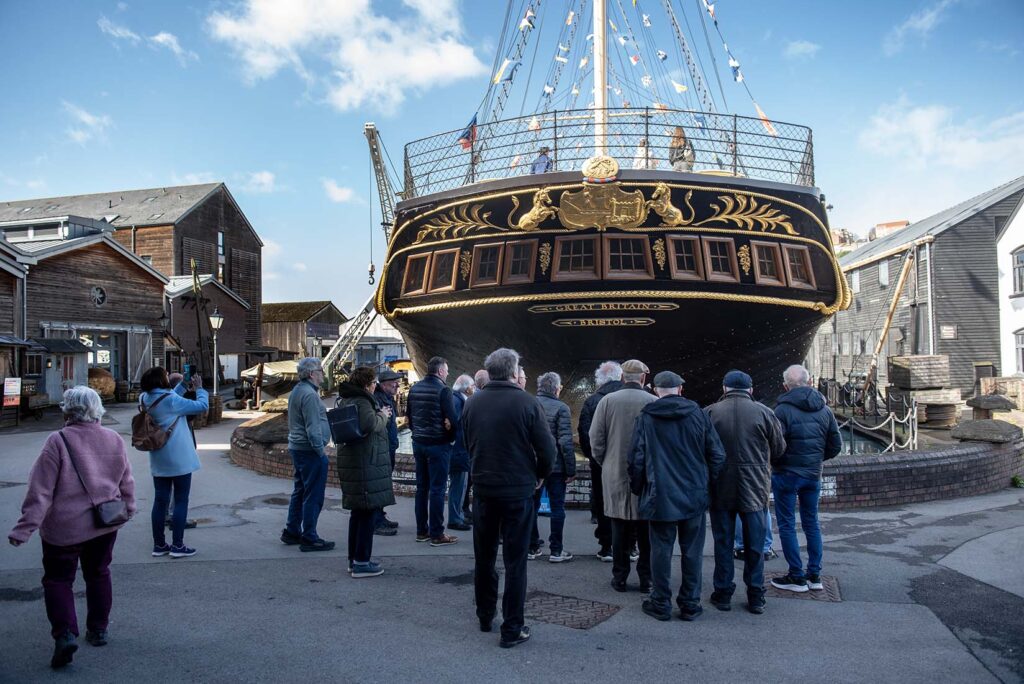
In the morning we undertook two incredible guided tours, both dedicated to Brunel, himself a Freemason. Clifton Suspension Bridge and The SS Great Britain were both technological feats of their time. Furthermore, both projects are not only the mastermind of a Freemason, they are also the embodiment of what Freemasonry is about – science, belief and purpose.
Here is a brief summary of both set out below
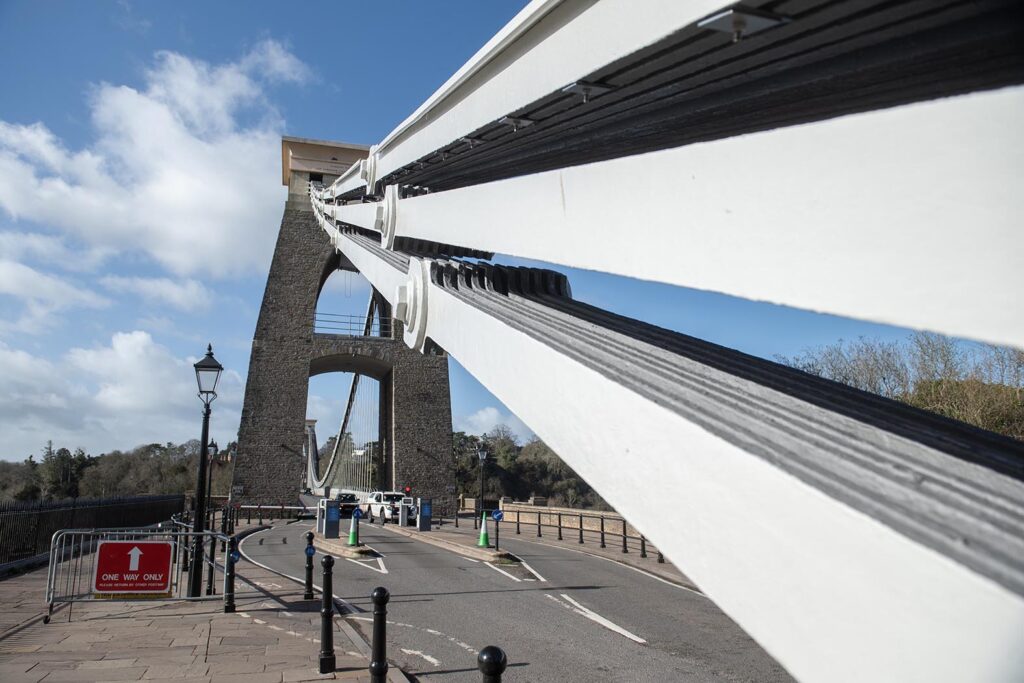
Clifton Suspension Bridge
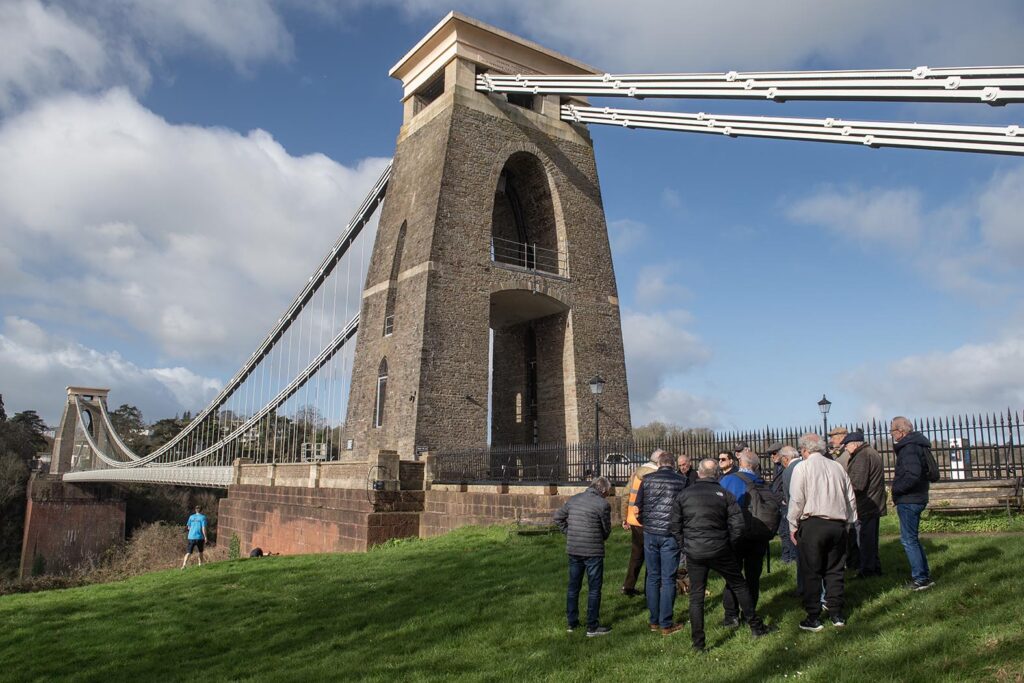
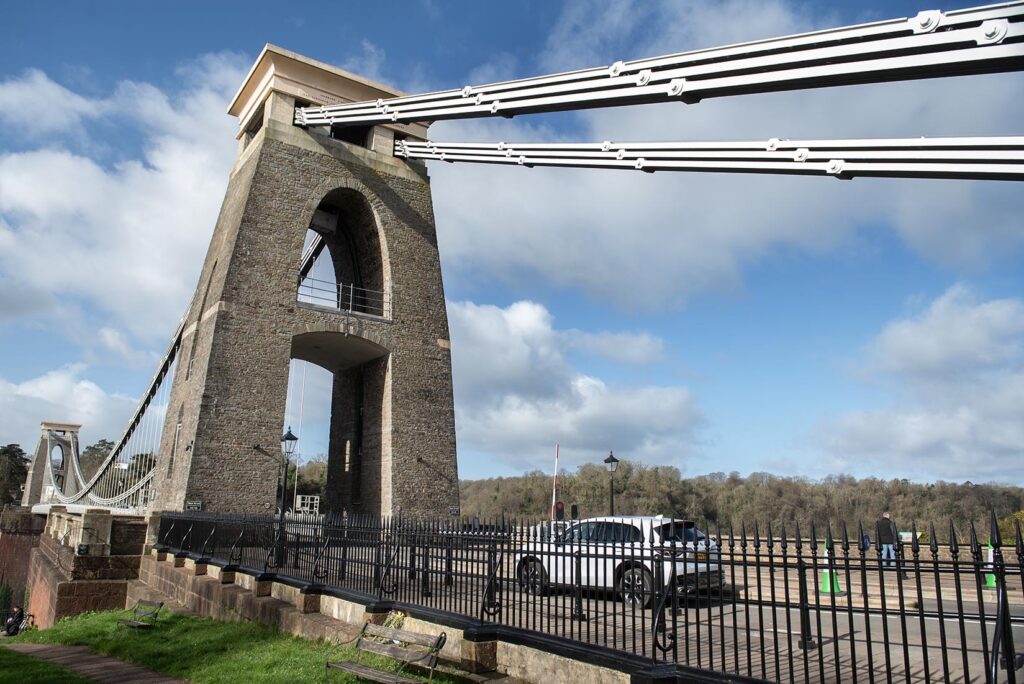
The unique aspect of the Clifton Suspension Bridge lies in several remarkable features:
Iconic Design by Isambard Kingdom Brunel – Although completed after his death in 1864, the bridge is a masterpiece of 19th-century engineering, showcasing Brunel’s innovative approach to suspension bridges.
Dramatic Location – It spans the Avon Gorge, a deep and steep-sided gorge, giving it both aesthetic grandeur and structural challenge.
Length and Span – With a main span of 214 meters (702 ft), it was one of the longest suspension spans of its time, demonstrating advanced engineering for the era.
Engineering Innovations – The bridge uses wrought iron chains and massive stone towers, combining both strength and elegance. Its construction had to overcome difficult geological and logistical challenges.
Cultural and Symbolic Significance – Beyond its engineering, it has become a symbol of Bristol and an enduring icon of Victorian ingenuity, often celebrated in art, photography, and literature.
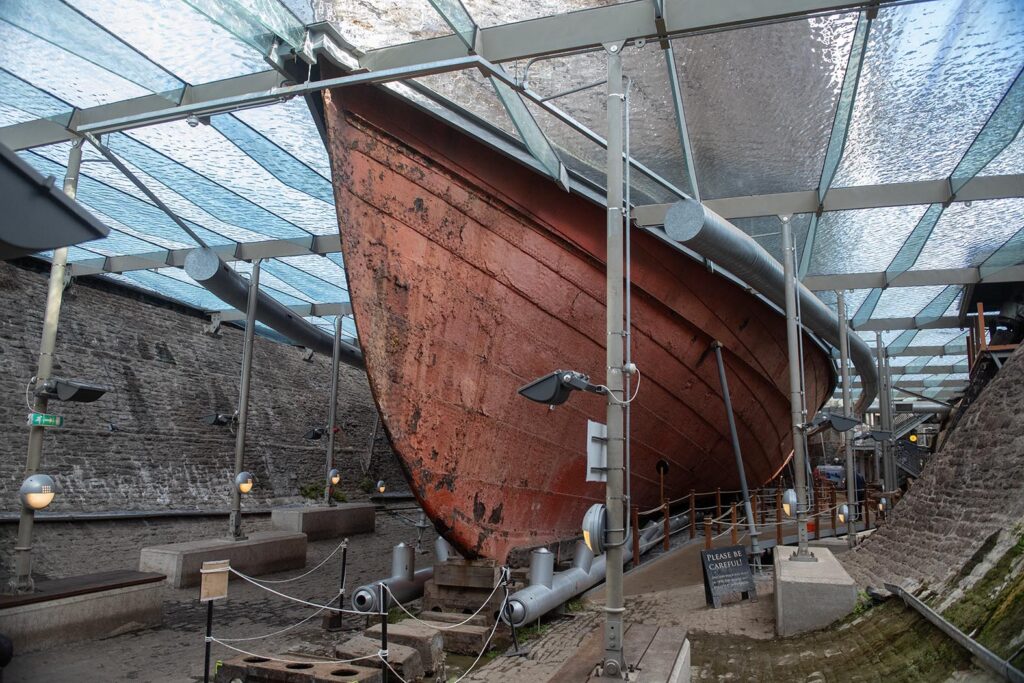
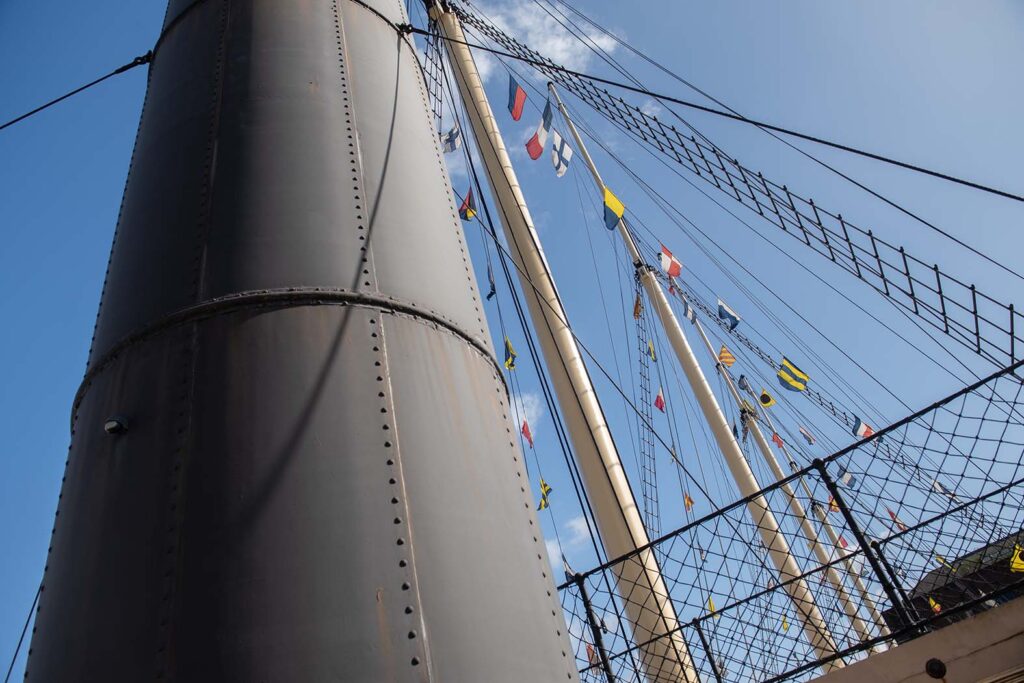
SS Great Britain
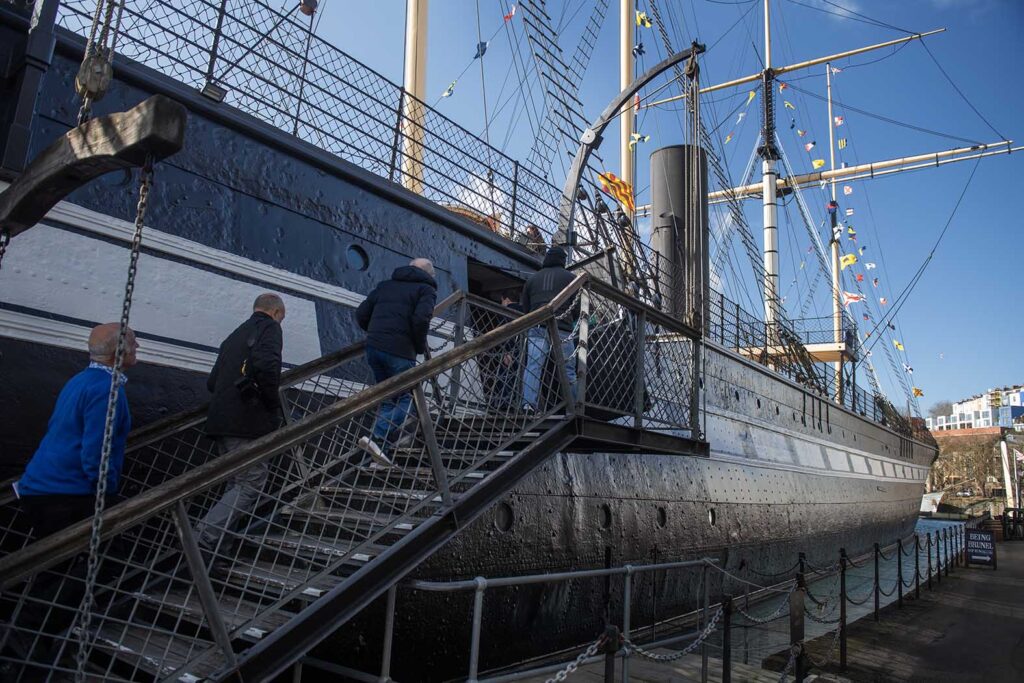
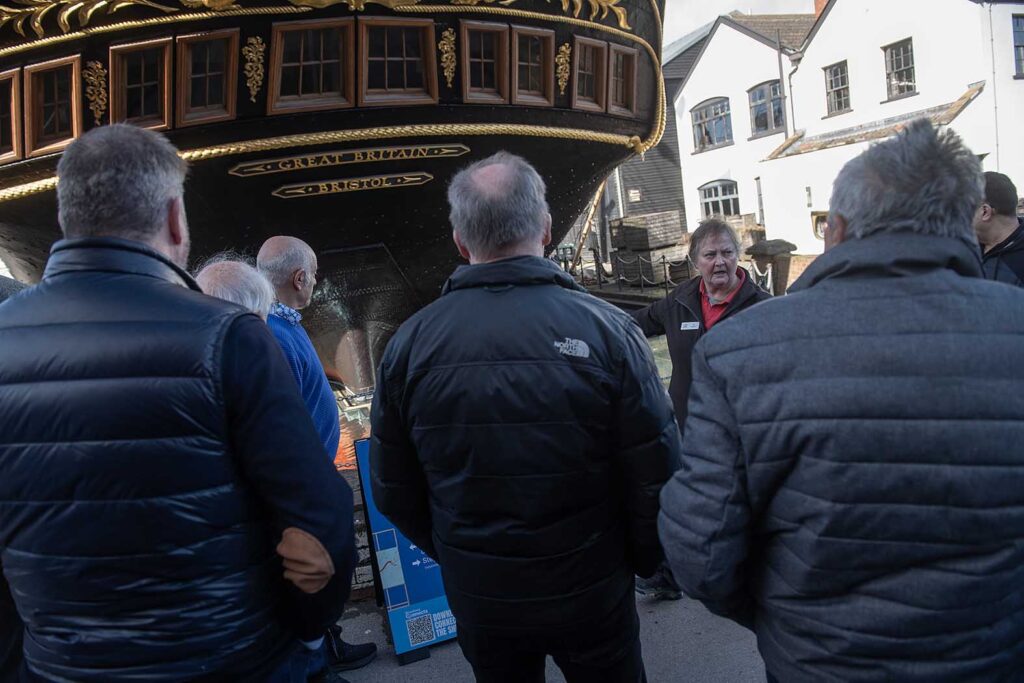
Here’s a concise summary of the SS Great Britain in four points:
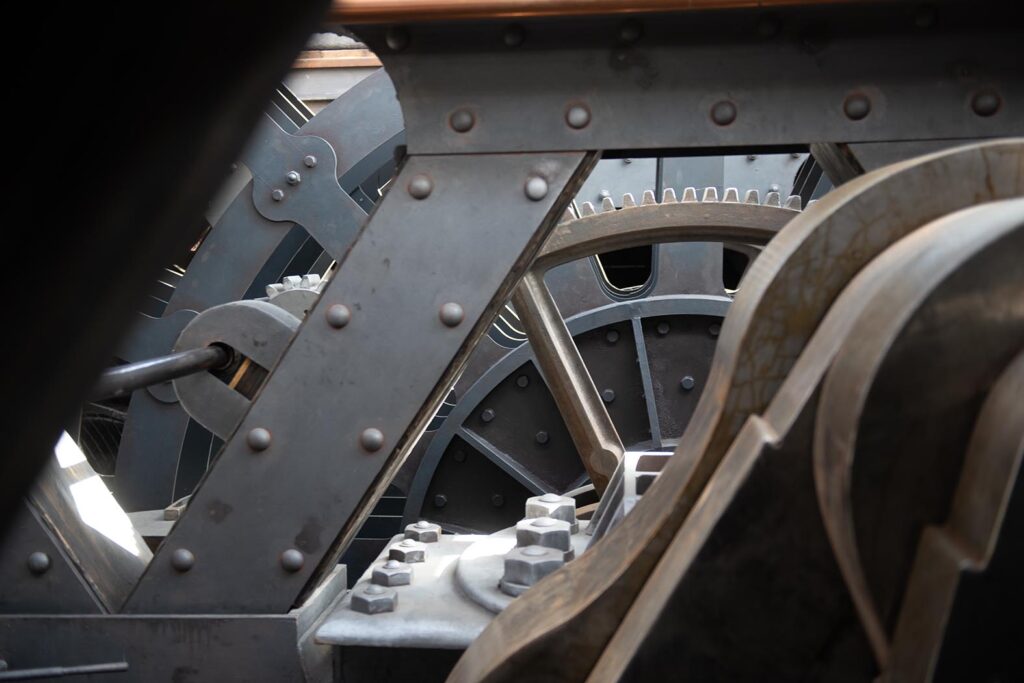
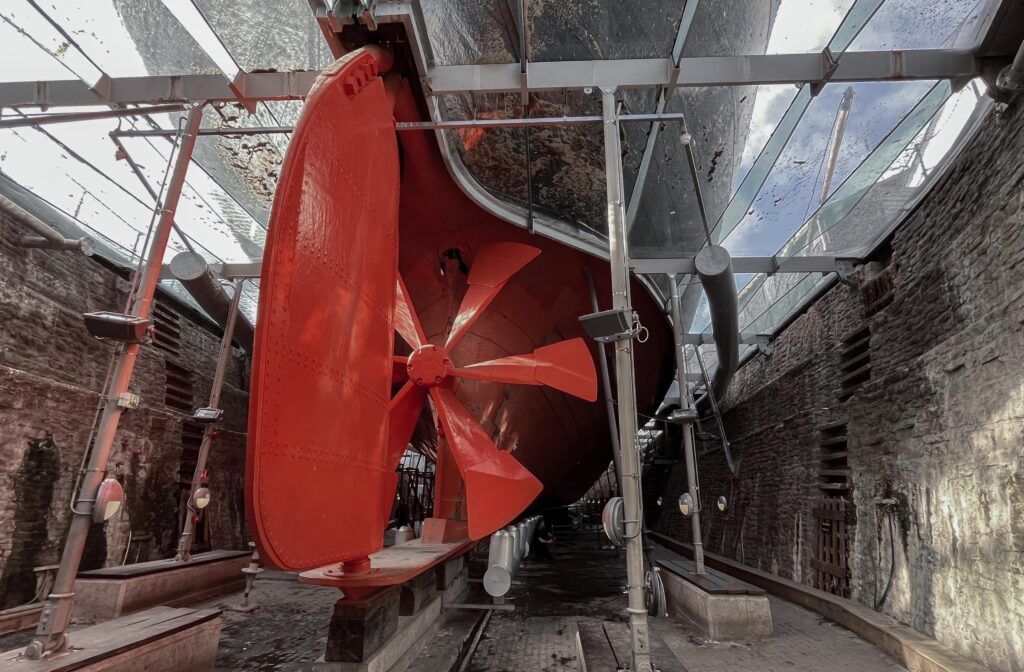
Innovative Design – Designed by Isambard Kingdom Brunel, it was the first large iron-hulled, propeller-driven steamship, combining advanced engineering with ocean-going capabilities.
Transatlantic Pioneer – Launched in 1843, it could cross the Atlantic more quickly and reliably than traditional sailing ships, revolutionsing long-distance sea travel.
Versatile Service Life – Served as a passenger liner, troop ship, and cargo vessel over decades, showcasing adaptability in maritime operations.
Preserved Heritage – After being salvaged and restored in Bristol, it now serves as a museum ship and historic landmark, educating visitors about 19th-century engineering and maritime history.
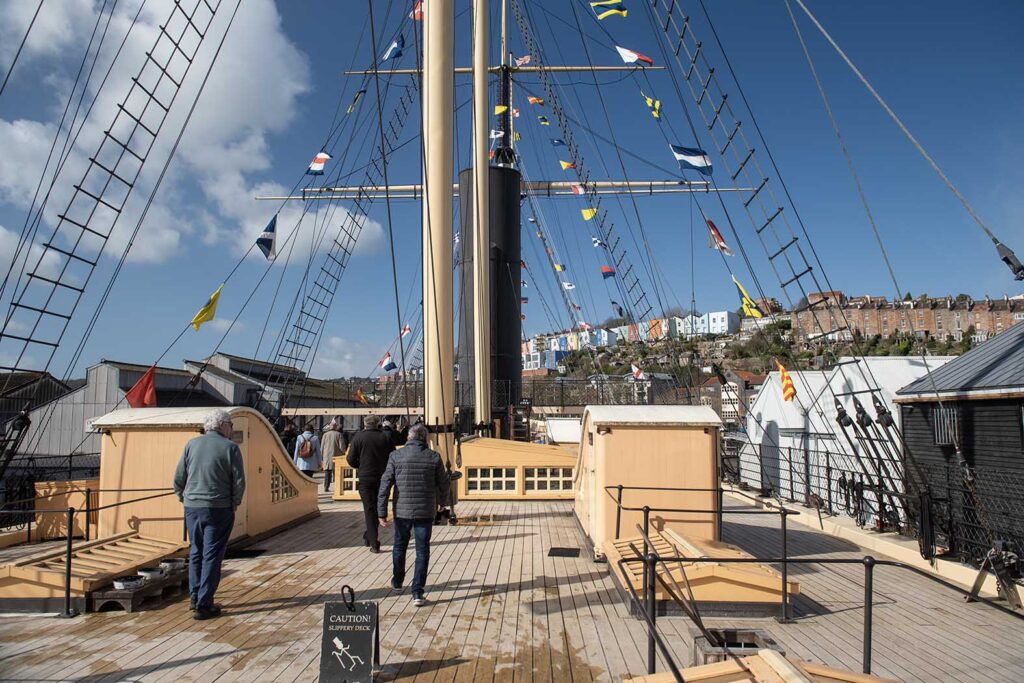
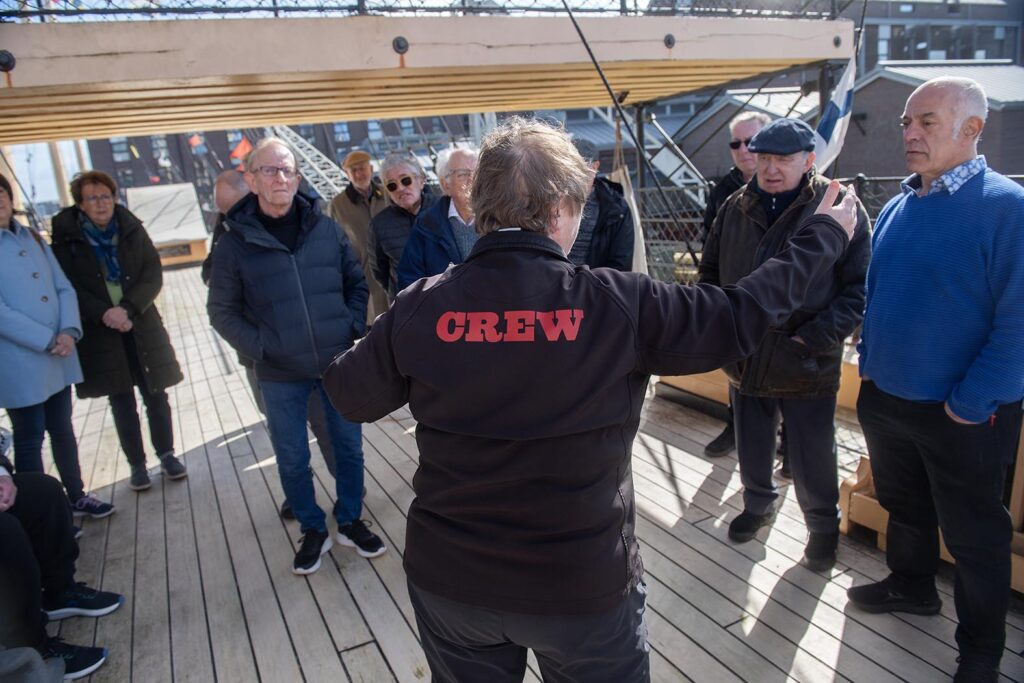
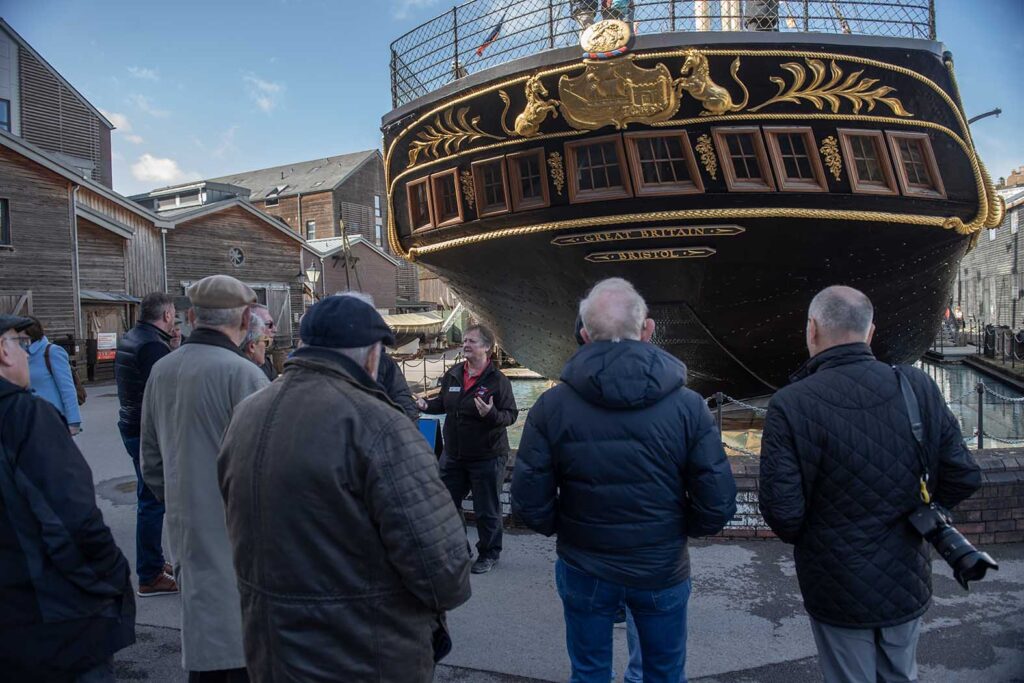
The SS Great Britain was able to accommodate 800 people of which 100 were crew and staff. With livestock on board and space tight, one can only imagine the noise and smell.
Isambard Kingdom Brunel was a Freemason
Brunel was initiated on 12 November 1831 into the Lodge of Antiquity No. 2 (then under the Grand Lodge of England) in London. Contemporary Masonic lodge records list his initiation. He went on to be an active member of at least one London lodge. Records and Masonic histories note his attendance and involvement during his early professional years in London.
Summary
Our Five hour journey back to Leeds gave us all the opportunity to reflect on a great Lodge of dawn 6511 excursion.
A Freemasons Lodge excursion is a blend of fraternity and camaraderie, offering educational experiences, fun activities, and good company, all fostering lasting friendships among members. Visiting other Lodges broadens connections, fosters learning, and strengthens fraternity, allowing members to share experiences, gain new perspectives, and build lasting friendships together. Our trip to Bristol ticked all the boxes!
A huge thank you must go the W Bro Rob Phillips. His skill in not only in brilliantly organising such an event but also the ability to pull together a number of destinations of interest that show British history in an uplifting and memorable way – and all with a twist of Freemasonry.
Below are a few more images. All pictures were taken by Bro David Cole
If you are not a Freemason and, having read the above, would like to find out more, read our Seven Reason to Join The Freemasons, our guide on ‘How to join The Freemasons‘ or our simple ‘What is Freemasonry?’ page.
And if you would like to join The Lodge of Dawn in Leeds, please feel free to get in touch via our ‘Contact Us’ page.
All of the above pictures were taken by Bro David Cole
We have a ‘Meet a few of our Members’ feature. CLICK HERE to read about some of our newer, younger members, why they joined The Lodge of Dawn and how their Masonic journey is going.